
MyPalmTraceability
The hard part is not
the paperwork.
Your mill buys from hundreds of smallholders whose plots were never mapped. MyPalm maps them. A plot gets its coordinates the day it is sown, and carries them to your weighbridge.
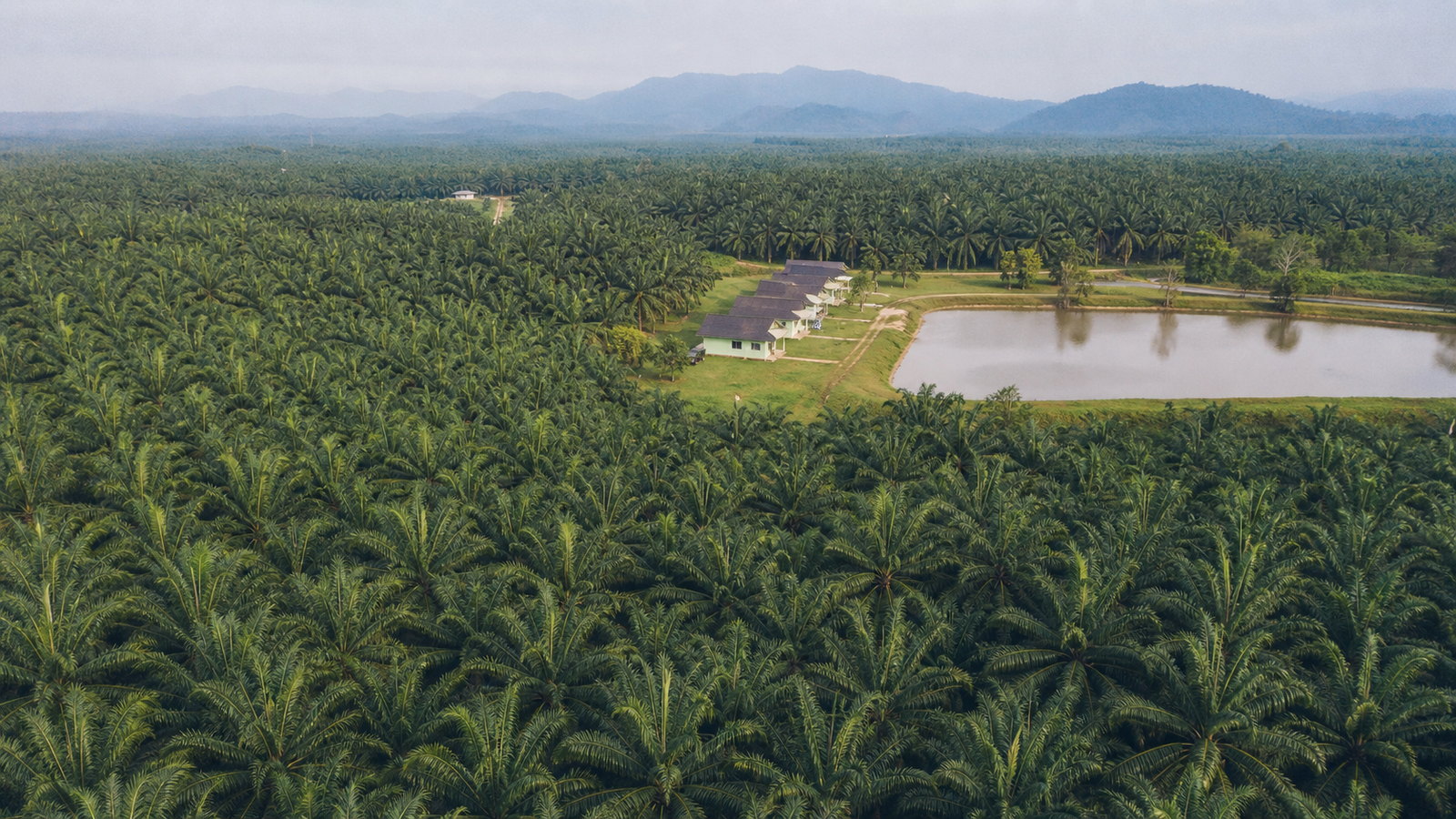
One mill’s supply base
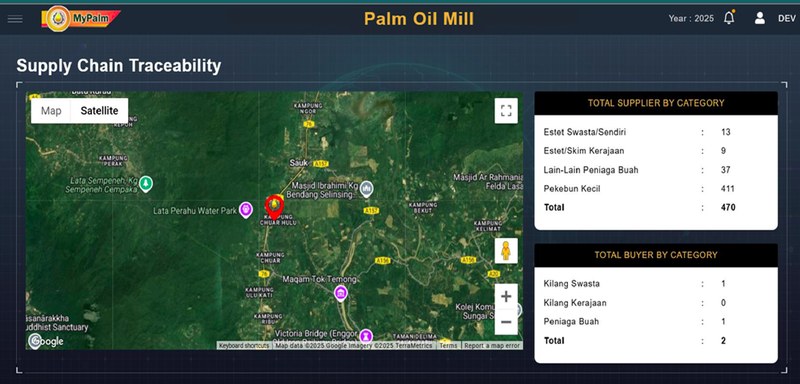
Nearly nine in ten suppliers are smallholders.
Every supplier and buyer behind one mill, on one map.
The growers whose plots were never mapped. This is the hard part.
Check it: 411 ÷ 470. Map the estates and the hard part is still in front of you.
What it actually does
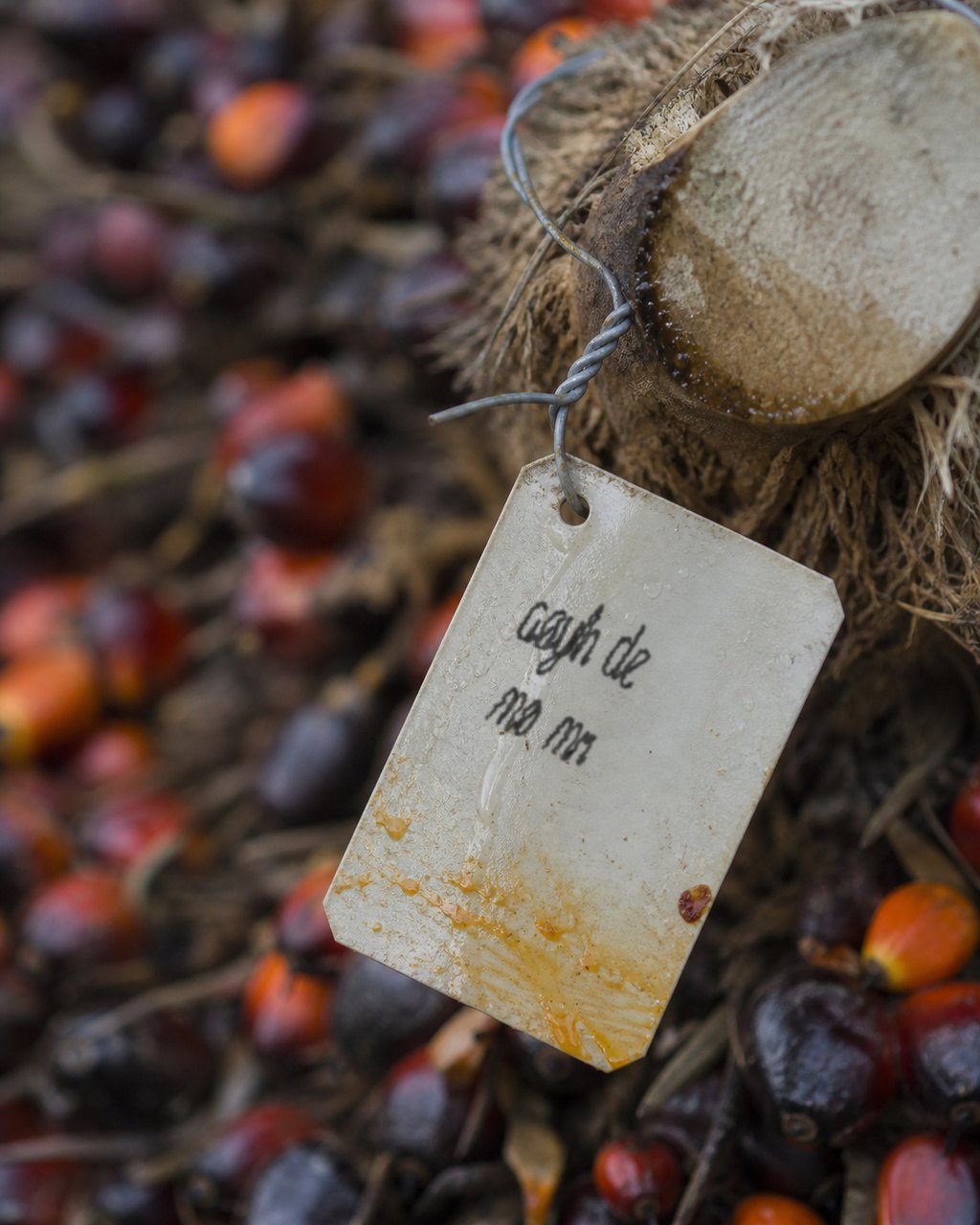
Where the record is read
The last place that can check where a load came from — and the first place a buyer asks.
Origin arrives with
the load.
The whole capability, word for word:
“Supply chain traceability (linked via MyPalm Plantation and MyPalm Dealer with smallholder polygon maps)”
The origin record is built upstream, in Plantation and Dealer, and reaches the ramp attached to the load. An estate boundary is the easy half; the smallholder polygons are the half the Dealer and Plantation apps were built to carry.
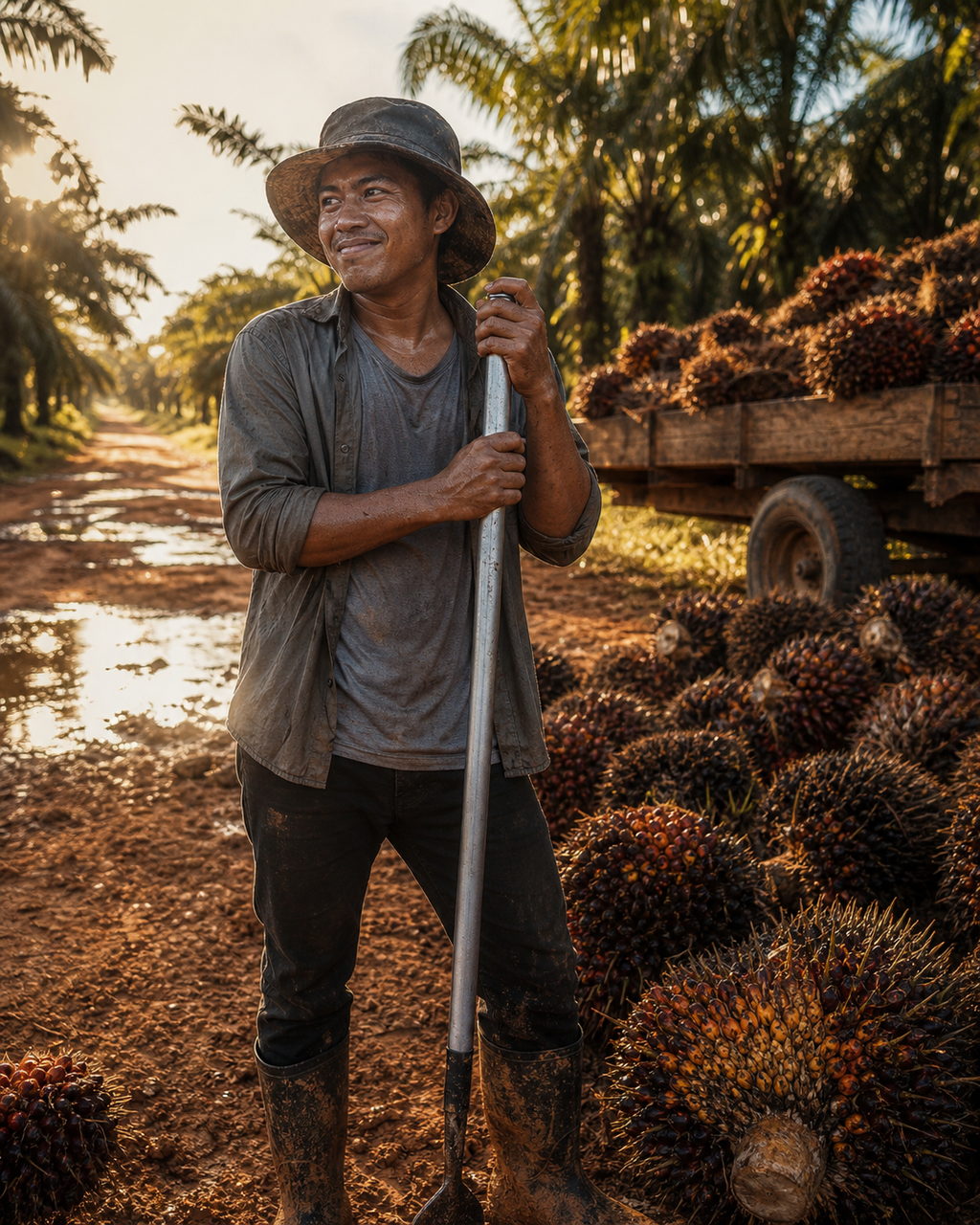
The collection point
A load is assembled at the roadside before it is anybody’s record. Either origin travels with it, or the ramp rebuilds it from memory.
Who asked for the traceability module
The council that certifies
Malaysian palm oil.
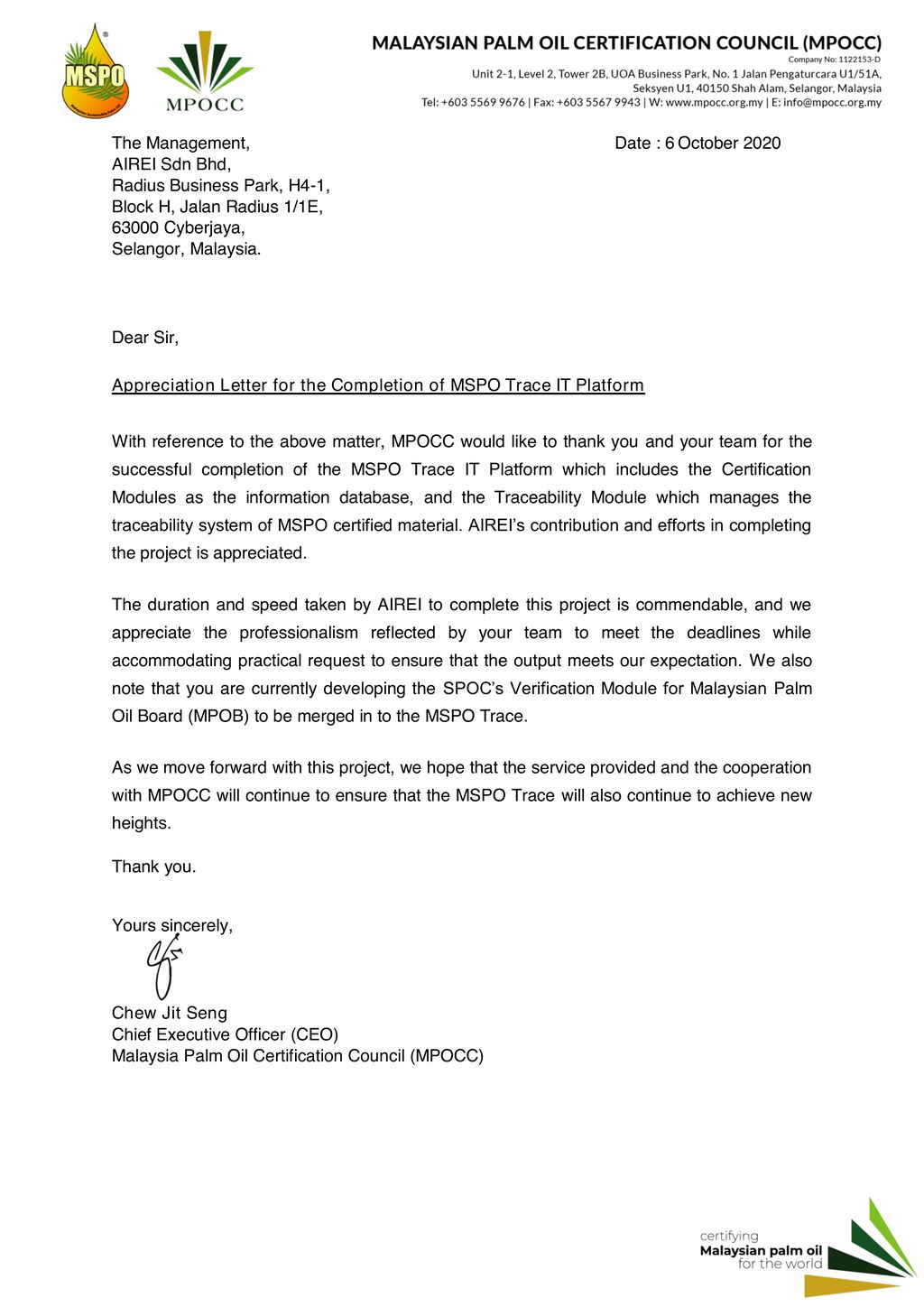
MSPO Trace holds the records behind Malaysia’s national palm oil certification. The Certification Council’s chief executive wrote to AIREI on 6 October 2020 to thank the team for completing it.
Chew Jit Seng, Chief Executive Officer, Malaysian Palm Oil Certification Council — letter to AIREI, 6 October 2020
“the successful completion of the MSPO Trace IT Platform which includes the Certification Modules as the information database, and the Traceability Module which manages the traceability system of MSPO certified material”
So the team building this product is the team the national council asked to build its traceability module.
Read the letter in full — letterhead, date, signature and all.
Where a record is actually created
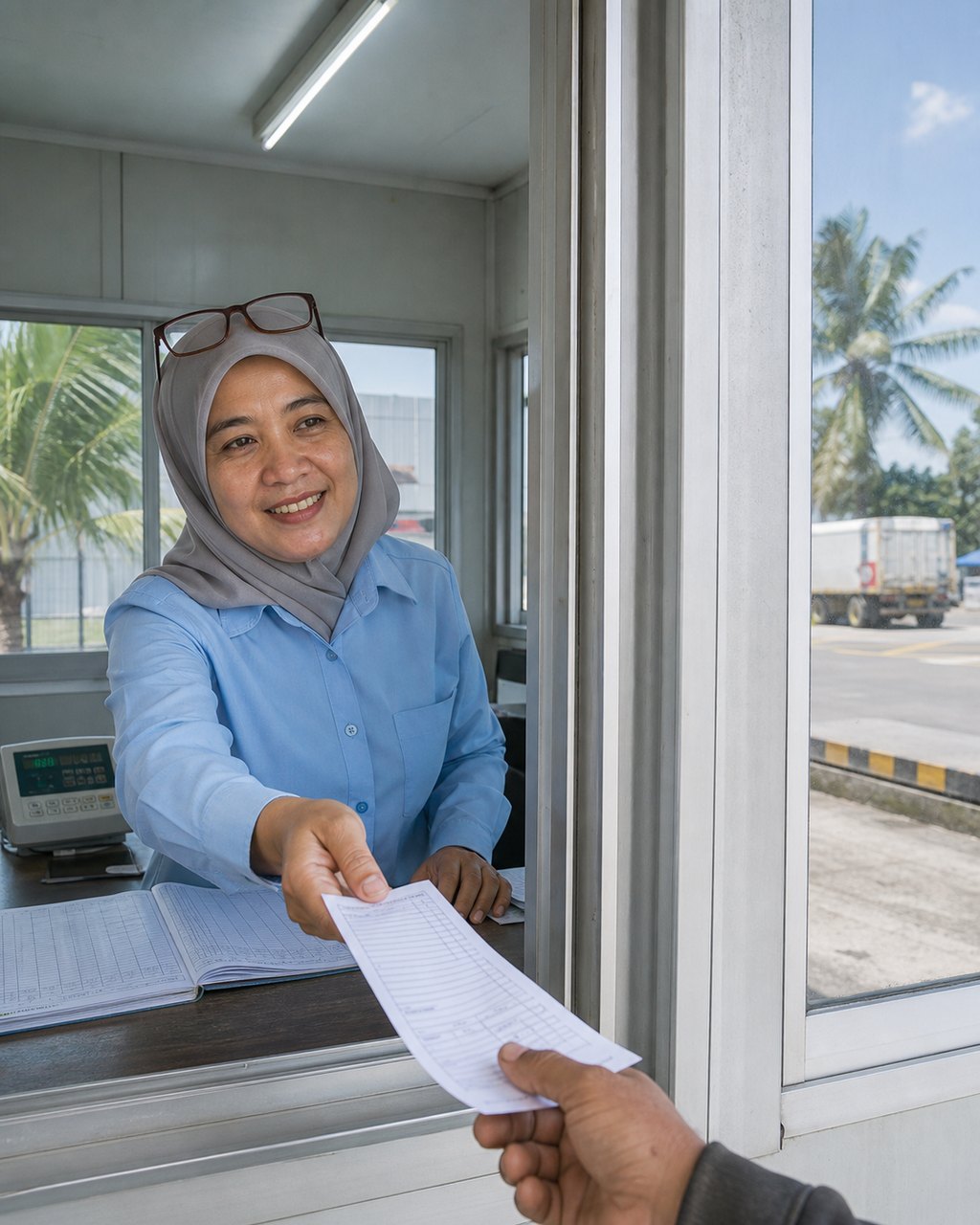
Handover five
The weighbridge is where a load becomes a number. Everything downstream inherits what it captured, mistakes included.
Five handovers, and the
evidence each one leaves.
Traceability is not a screen. It is five moments where fruit changes hands. Either a record is made then, or it is rebuilt later from memory.
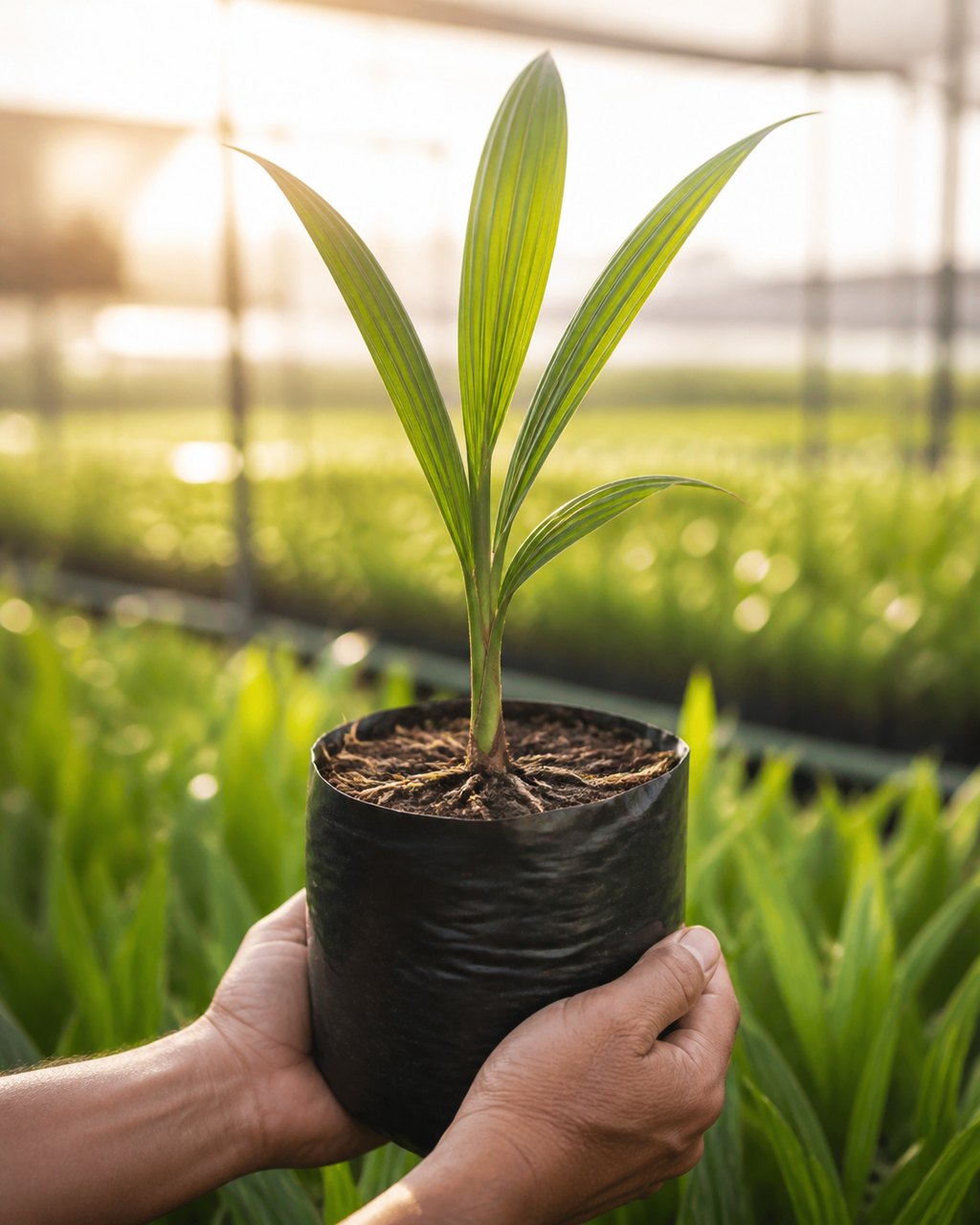
Handover two
A plot gets its coordinates the day it is sown. Origin is minted at the start of the chain, not rebuilt at the end.
- Seed received against a supplier and a batch, verified by a second person before sowing.
- A plot is created at sowing and carries its own coordinates from that day — a coordinate, not a description.
- Seedlings leave as a numbered consignment — a dispatch event and an arrival event, each with a time and a place.
- Harvest and field work append against mapped blocks, timestamped, against a named worker.
- A load reaches the ramp with supplier, category and origin attached. The weighbridge adds grade and weight.
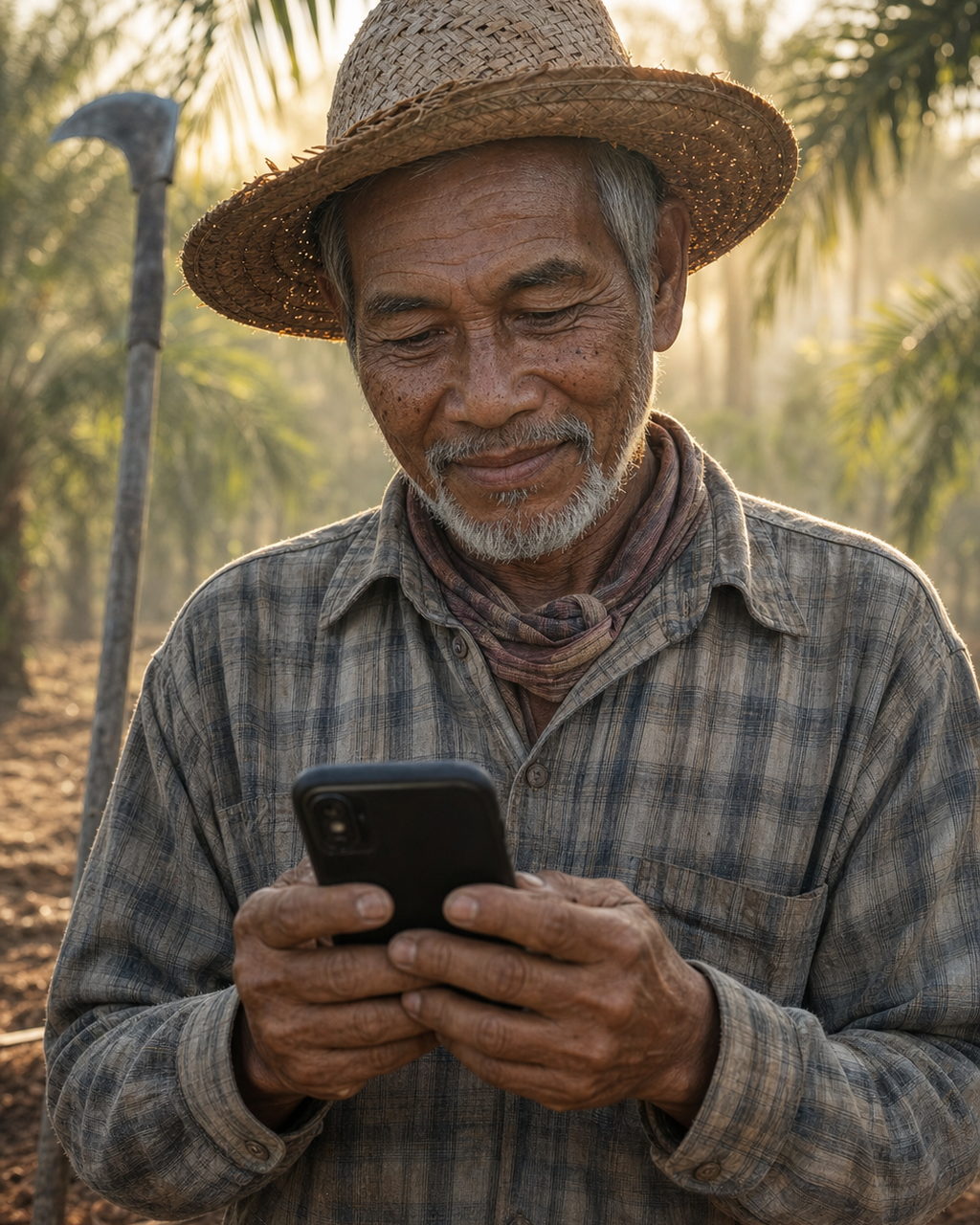
Read back in the field
A record you can only open in an office is a record nobody checks. Same plot, same number, read back where the palms are.
The phone is the whole field office. What is not fixed on the spot gets fixed from memory, or not at all.
The record, field by field
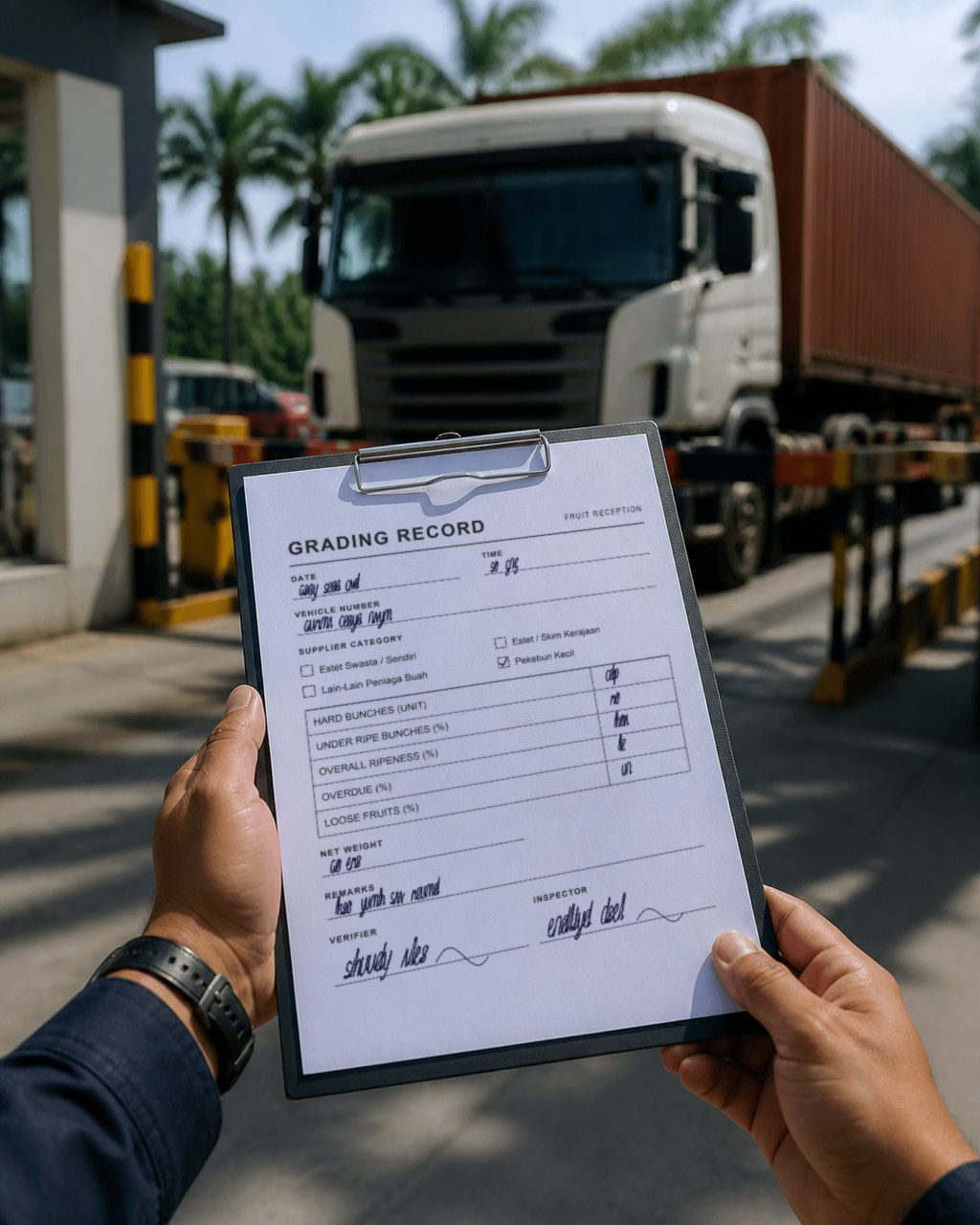
Where it starts
Most of a bunch’s history happens before anything digital touches it — a roadside heap, bare earth, loaded by hand.
What is written down,
and where it is written.
The categories a Malaysian mill already uses: private estate, government estate or scheme, dealer, smallholder.
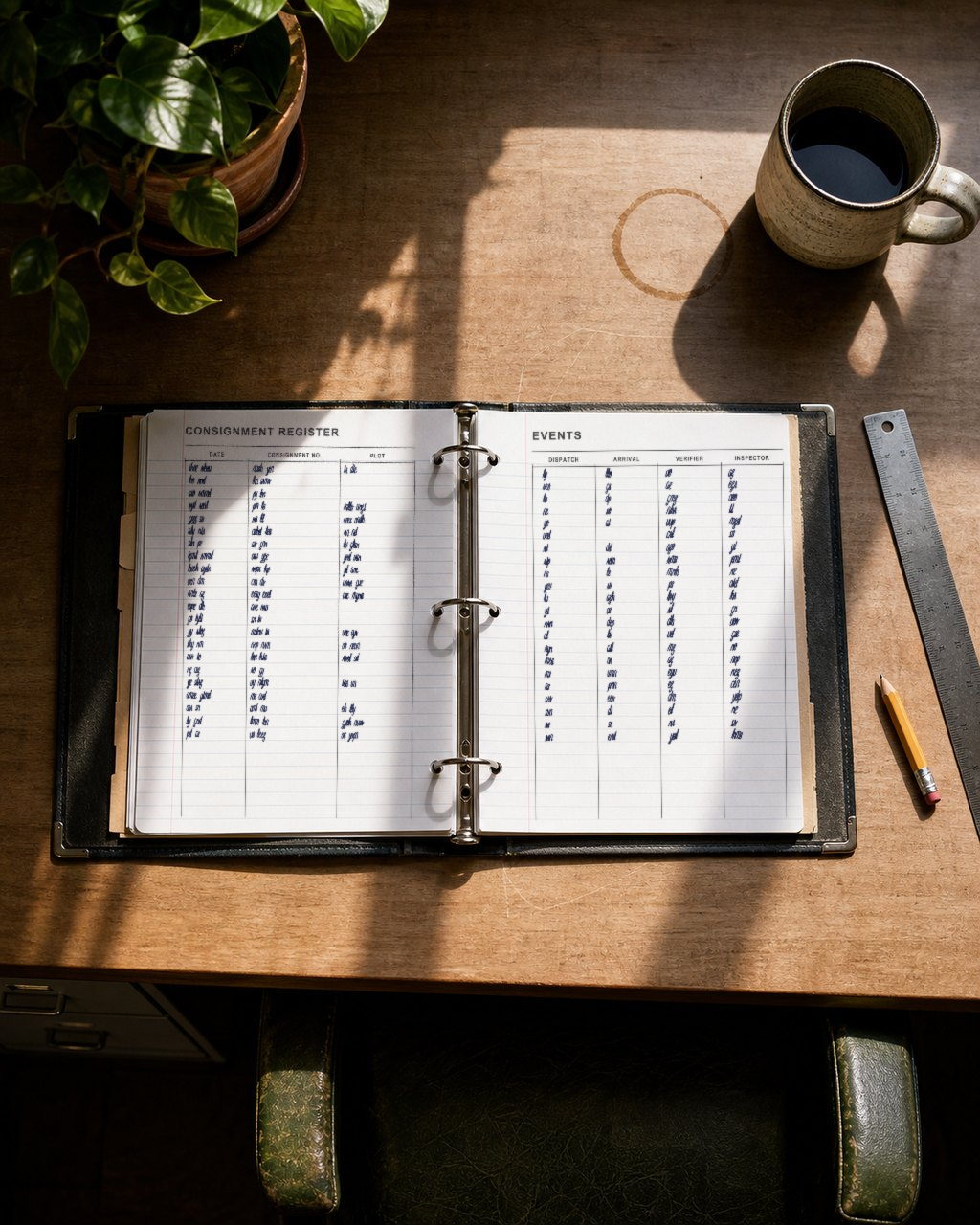
The consignment tag
One object, one number, from the nursery gate to the ramp.
01
A physical tag, not just a row
Each plot carries an NFC label. Tap it and a worker reads and updates that plot’s record where he stands.
02
Every event is double-signed
Verifier and inspector are separate steps, and the reports print both columns — the difference between a log and evidence.
03
The identity survives the handoff
Nursery to estate is one object under one number — a dispatch event and an arrival event. Most chains lose the thread here.
04
The statutory returns are already in the product
The Dealer app prints the MPOB daily and monthly returns in Bahasa Malaysia. Clerks keep the data clean because they need them.
The origin record
| Field | Created at |
|---|---|
| Latitude / longitude | Plot record, at sowing |
| Plot boundary polygon | Estate and supplier maps |
| Smallholder polygons | Plantation and Dealer, read at the ramp |
| Supplier category | Traceability panel |
| Certification status | Supplier card |
| Tonnage supplied | Supplier card |
| Consignment events | Dispatch and arrival, per number |
| Grade and weight | Weighbridge, one transaction |
| Statutory returns | Dealer reporting |
EU Regulation 2023/1115
The evidence is ours.
The compliance is yours.
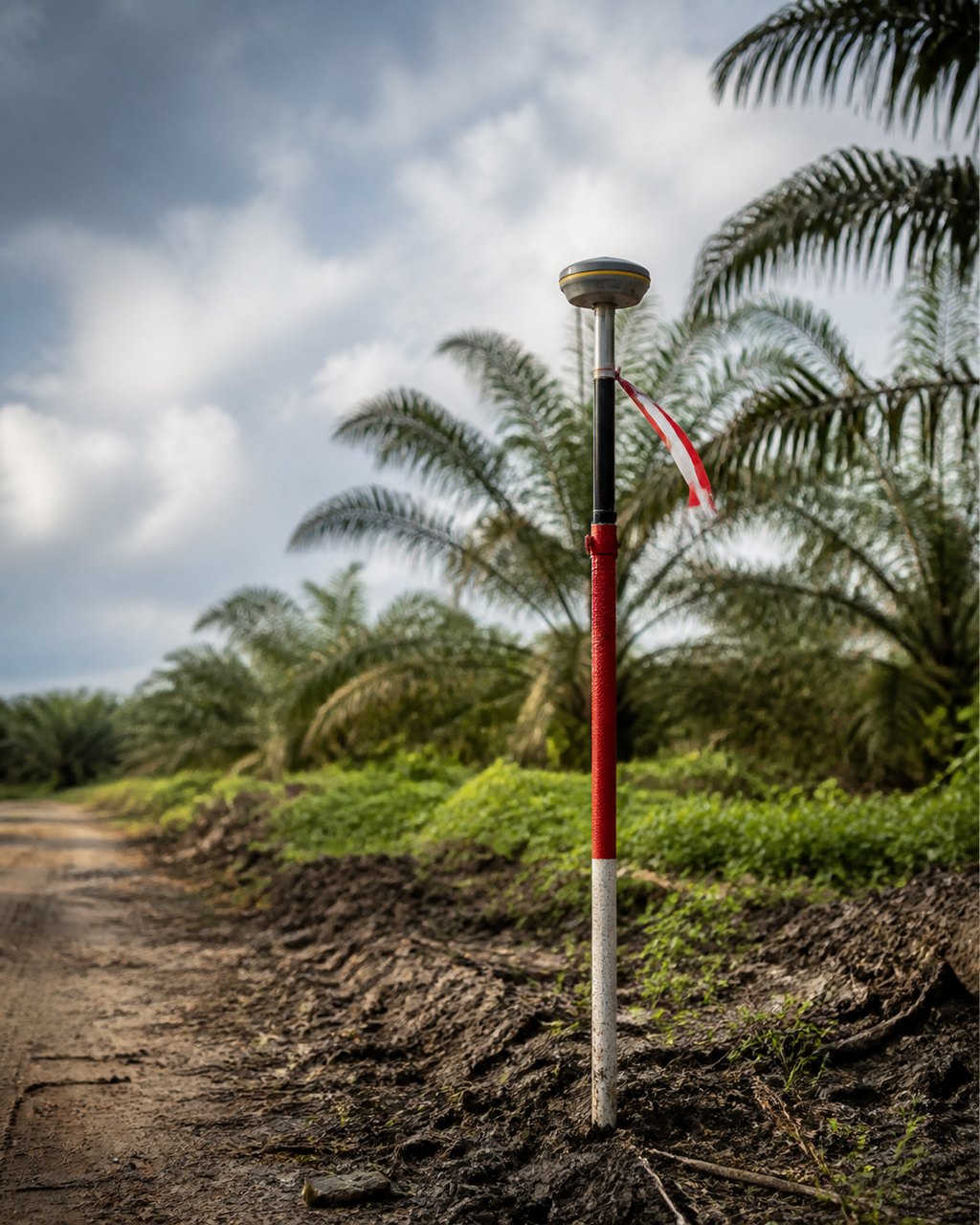
Where a boundary comes from
A polygon is not a pin. Somebody walks the block, and the app carries it downstream.
Regulation (EU) 2023/1115 puts the duty on whoever places the oil on the EU market: hold the location of every plot. Over four hectares, a boundary, not a point.
The system records those boundaries and carries them to the ramp. Ask to see a plot record, a consignment timeline and a supplier map.
Bring us your supplier list and we will tell you what resolves to a boundary today.
Tamper-evidence runs on Hyperledger Fabric.
On request
Send these to your compliance officer
Four documents, with the names attached.
- The legal reading
- Which obligations this evidence supports, in counsel’s words.
- The scope
- How much of a named mill’s intake resolves to a mapped boundary today. Measured, not assumed.
- The data path
- How a plot boundary becomes a due-diligence statement, in a named format, with no spreadsheet in the middle.
- Tamper-evidence
- Whether the origin record shows tampering, by what mechanism, and who can check it independently.
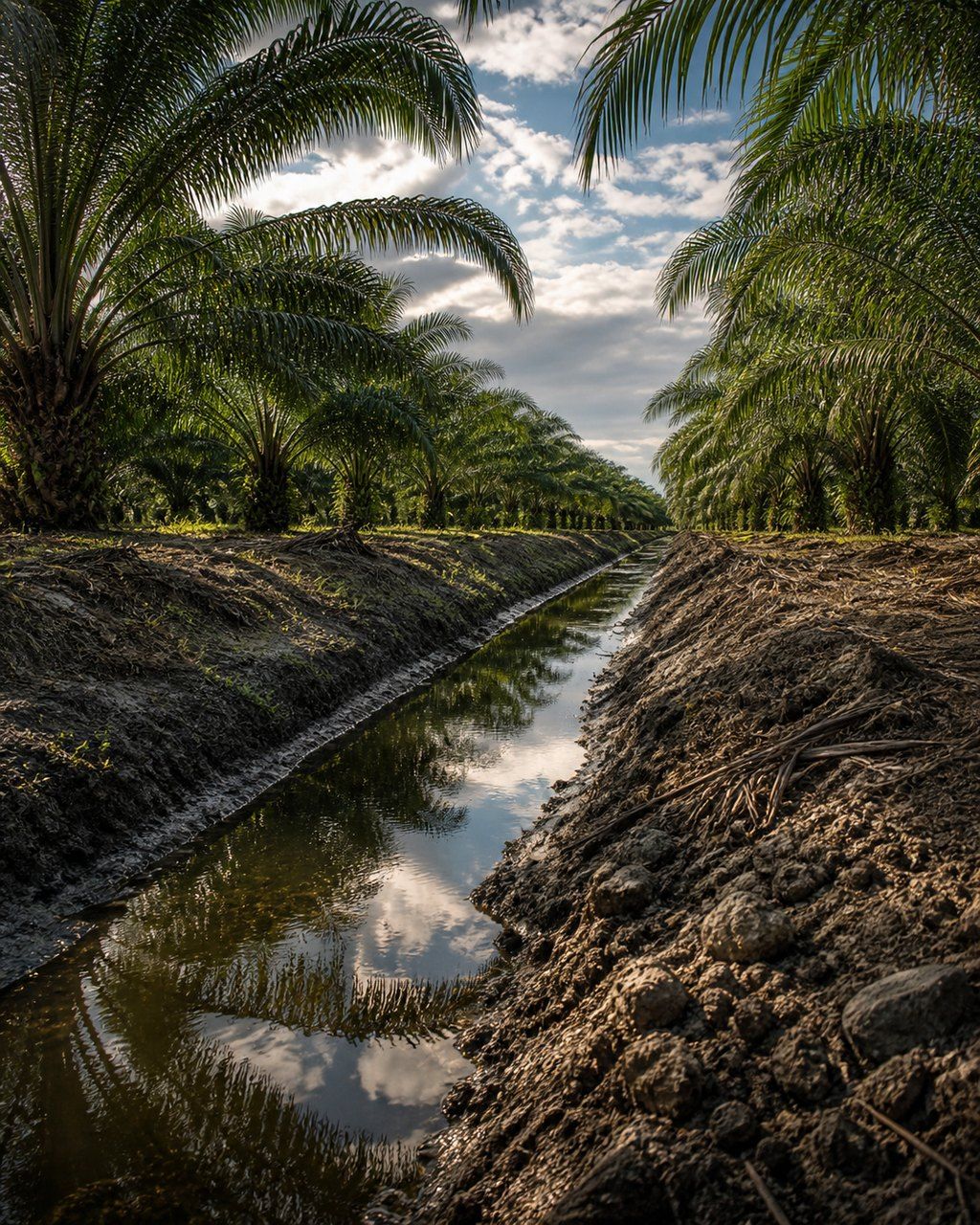
For your compliance officer
The legal reading, the scope, the data path and the tamper-evidence — each with a name against it, sent on request.
The walkthrough
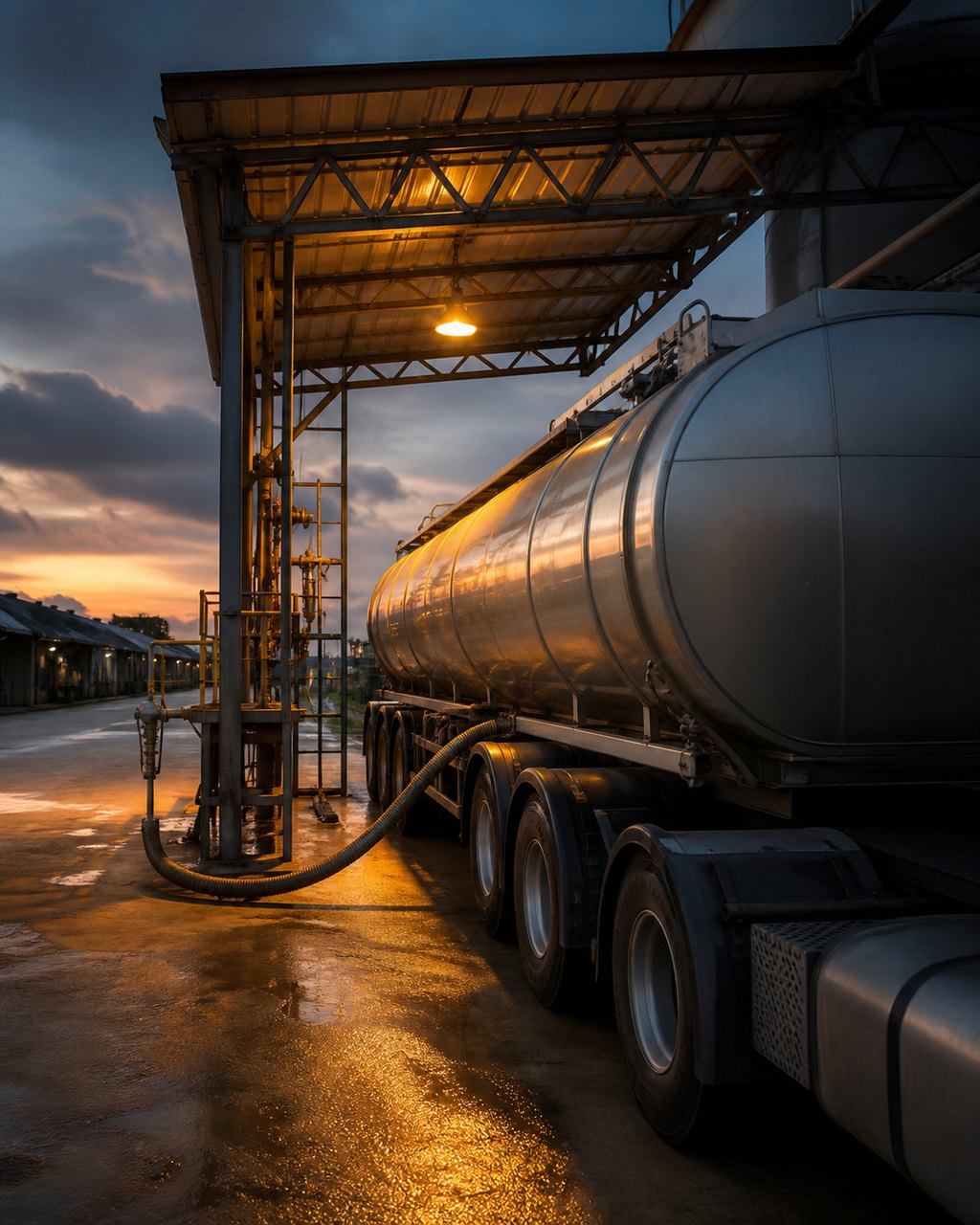
The last mile
A chain of custody is only as good as its least convenient link — usually the one after dark.
Twenty minutes on the
live system, under NDA.
Your data gets the same protection. The supplier card names a real grower, their certification, coordinates and tonnage, so it stays inside the system — and so will yours.
Ask for a walkthrough and you see the live system.
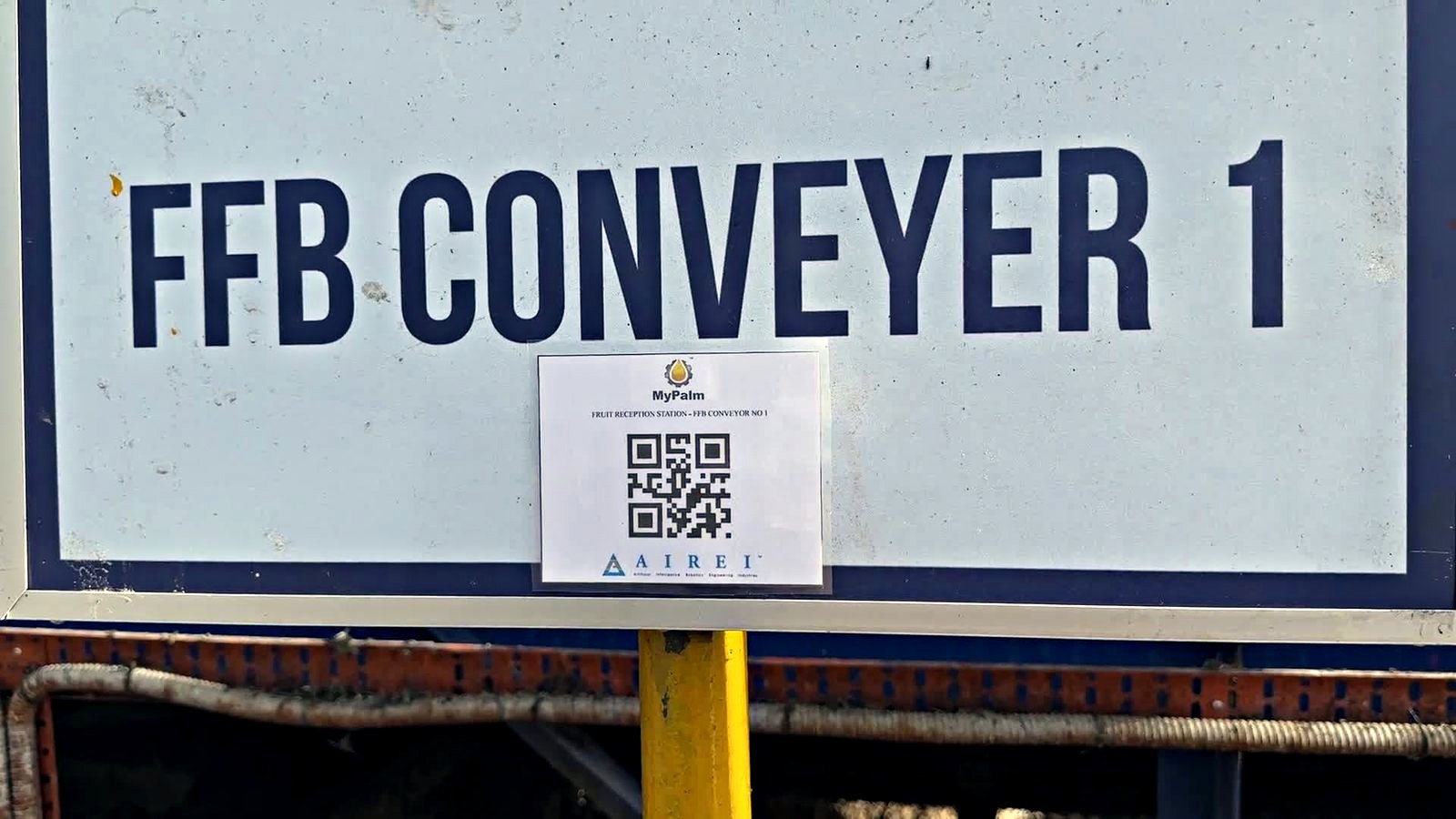
Next step
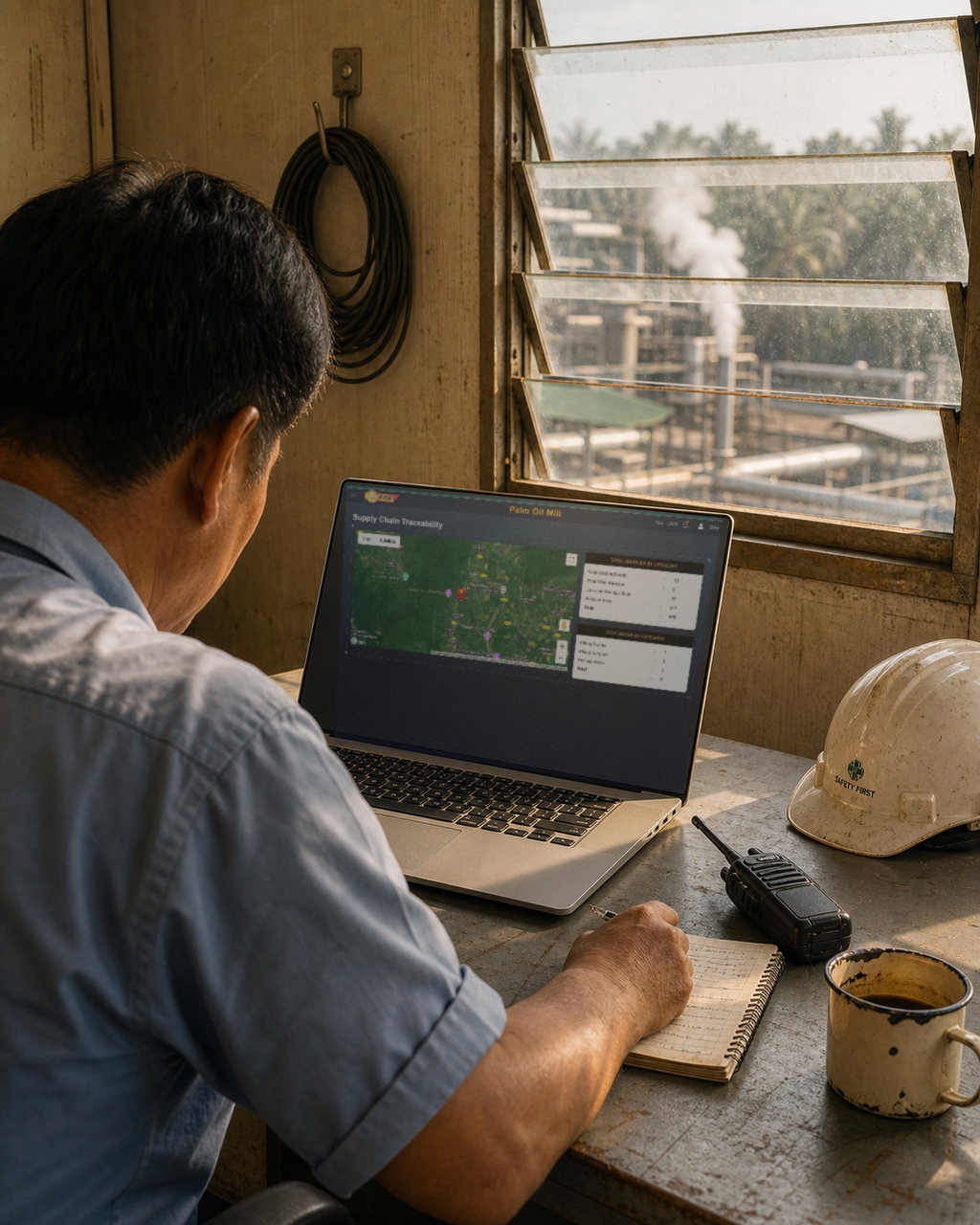
Who you actually meet
An engineer who has retrofitted a working mill, with your supplier list open on the screen.
Bring your supplier list.
We will tell you what resolves.
Every platform says it does traceability. Ask what share of your intake resolves to a mapped boundary today, and what mapping the rest costs.